Regions/Uttarakhand
🏔️ Uttarakhand
The Garhwal & Kumaon Himalayas — pilgrim trails, snow summits, and hidden bugyals.
32
Treks available
4.8★
Average rating
8+
Years operating
5,000+
Trekkers led
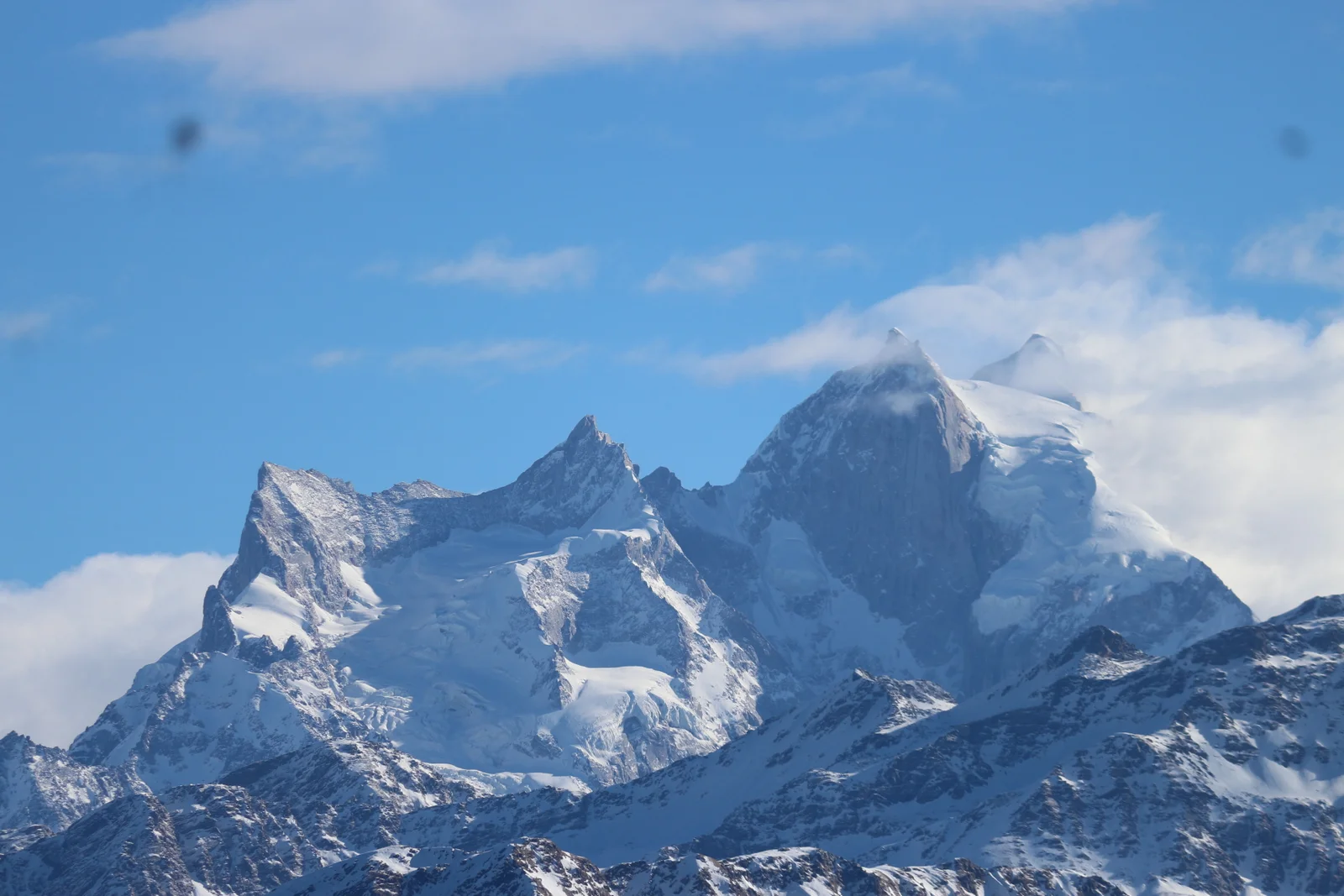
Uttarakhand sits at the head of the Ganga and Yamuna basins, where the Indian plains meet the great wall of the Himalayas. The state is split between two ancient cultural-geographic regions: Garhwal in the west, with deep forests, glacier-fed rivers, and the four Char Dham pilgrimage sites; and Kumaon in the east, gentler in landscape but home to some of the highest peaks in the Indian Himalayas including Nanda Devi (25,643 ft).
For trekkers, Uttarakhand is the most accessible Himalayan playground in India. Six hours from Delhi by overnight bus or train brings you to Dehradun, Rishikesh, or Kathgodam — the three roadheads from which almost every Garhwal and Kumaon trek begins. The trekking grades available range from gentle weekend hikes (Nag Tibba, Dayara Bugyal) to genuine high-altitude expeditions (Bali Pass, Lamkhaga Pass, Black Peak), with everything in between.
What sets Uttarakhand apart from the western Himalayan states is the combination of bugyals (high-altitude meadows) and a deep Hindu pilgrimage tradition. Dayara, Bedni, Ali, and Chaainsheel bugyals are among the largest alpine grasslands in Asia. Many treks pass through or near sacred sites — Kedartal feeds the Mandakini at Kedarnath, Satopanth Lake is a Hindu pilgrimage destination, and the Valley of Flowers sits beside the Hemkund Sahib gurudwara.
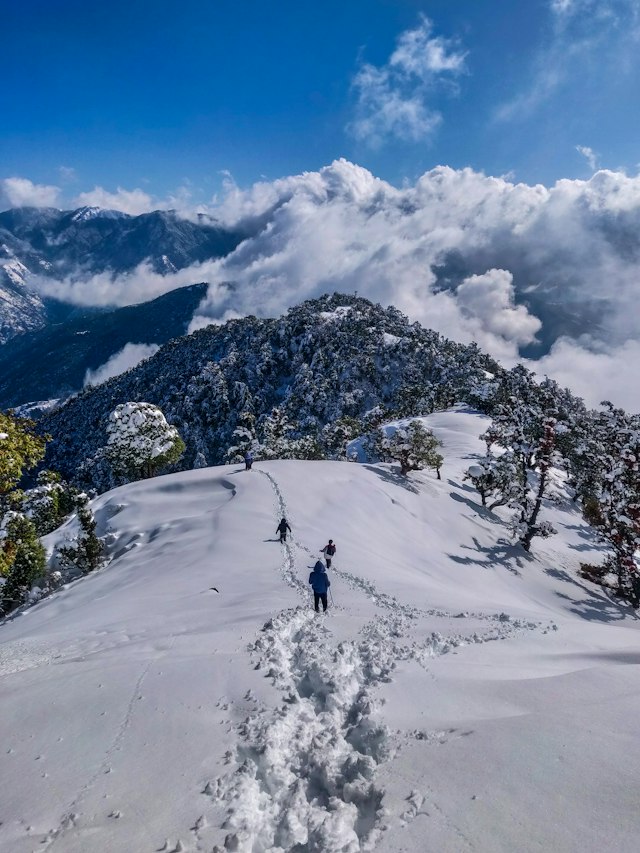
Best seasons: spring (March-May) for snow trails and rhododendron blooms, summer (June) for high passes opening, monsoon (July-August) for the Valley of Flowers, autumn (September-November) for clear skies and golden meadows, and winter (December-February) for snow treks like Kedarkantha and Brahmatal.
By Season
Explore the trails
32 treksAll treks in Uttarakhand
★4.9
No upcoming dates
moderate
Uttarakhand
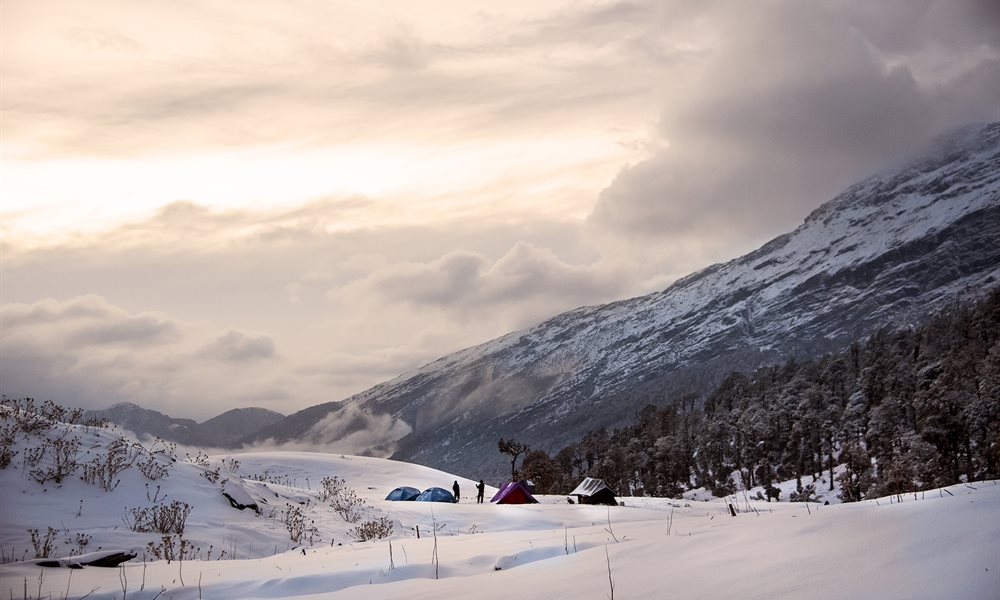
Brahmatal
★4.8
No upcoming dates
moderate
Uttarakhand
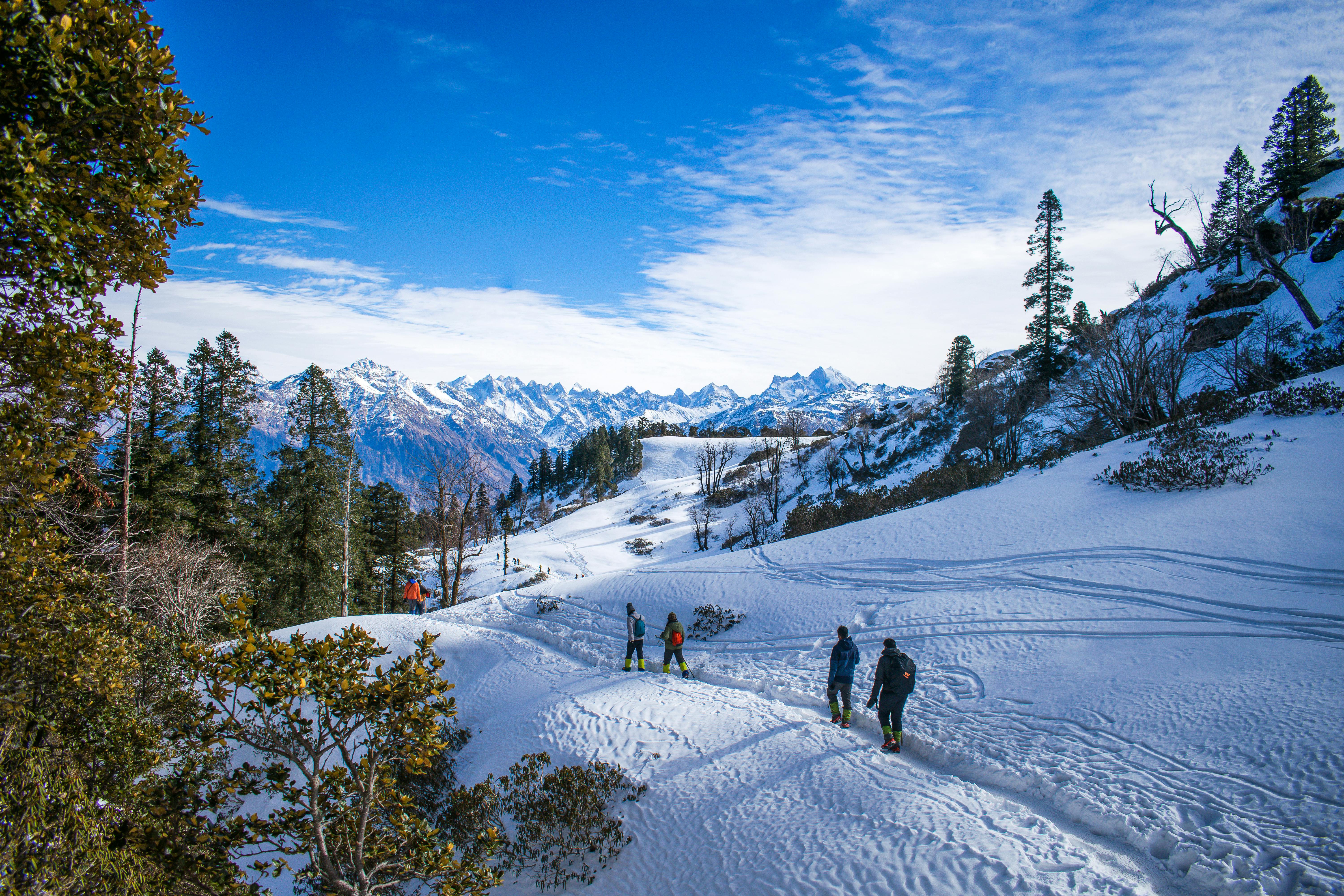
Kedarkantha
24% OFF
★4.8
No upcoming dates
moderate
Uttarakhand
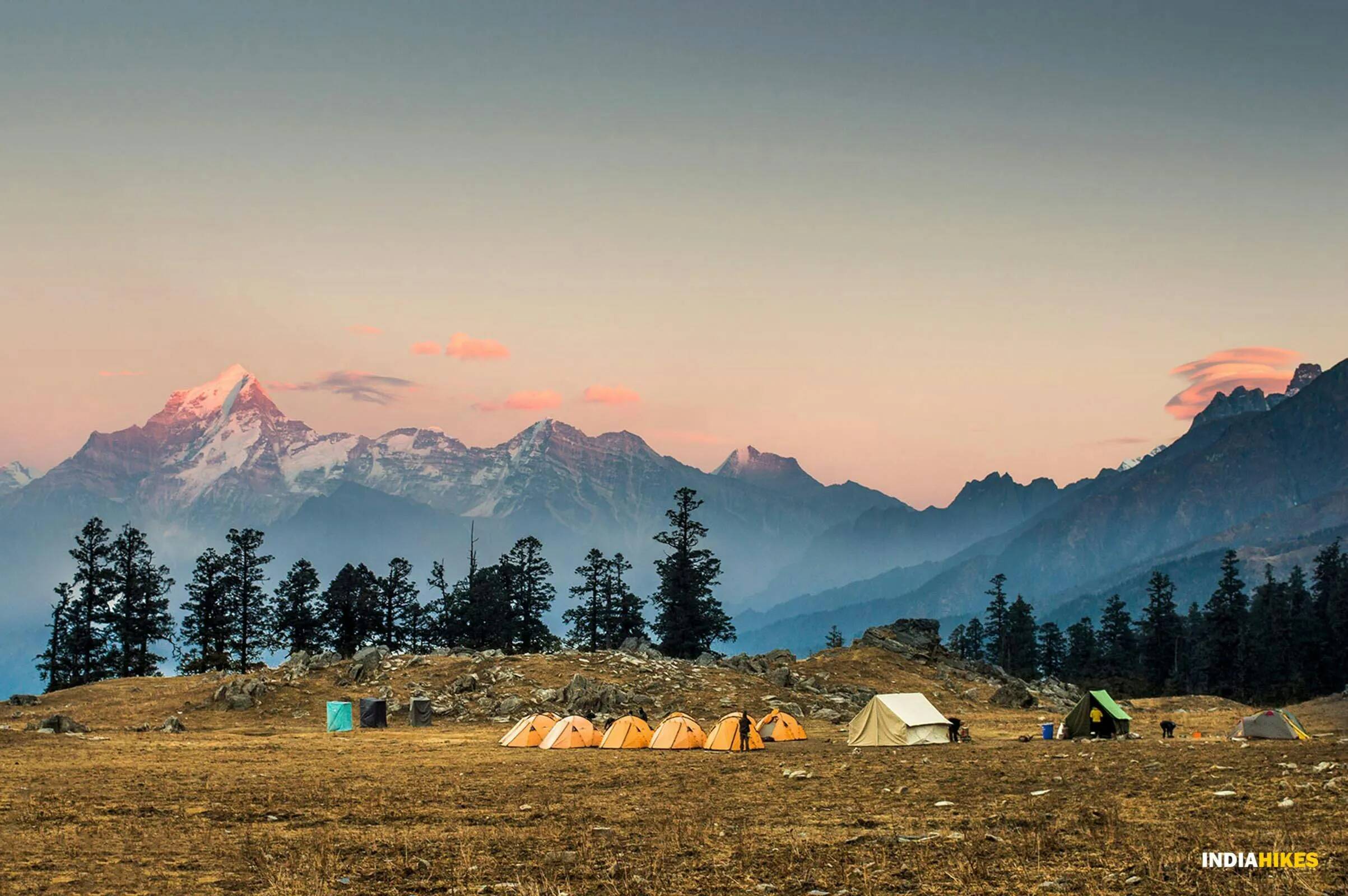
Kuari Pass
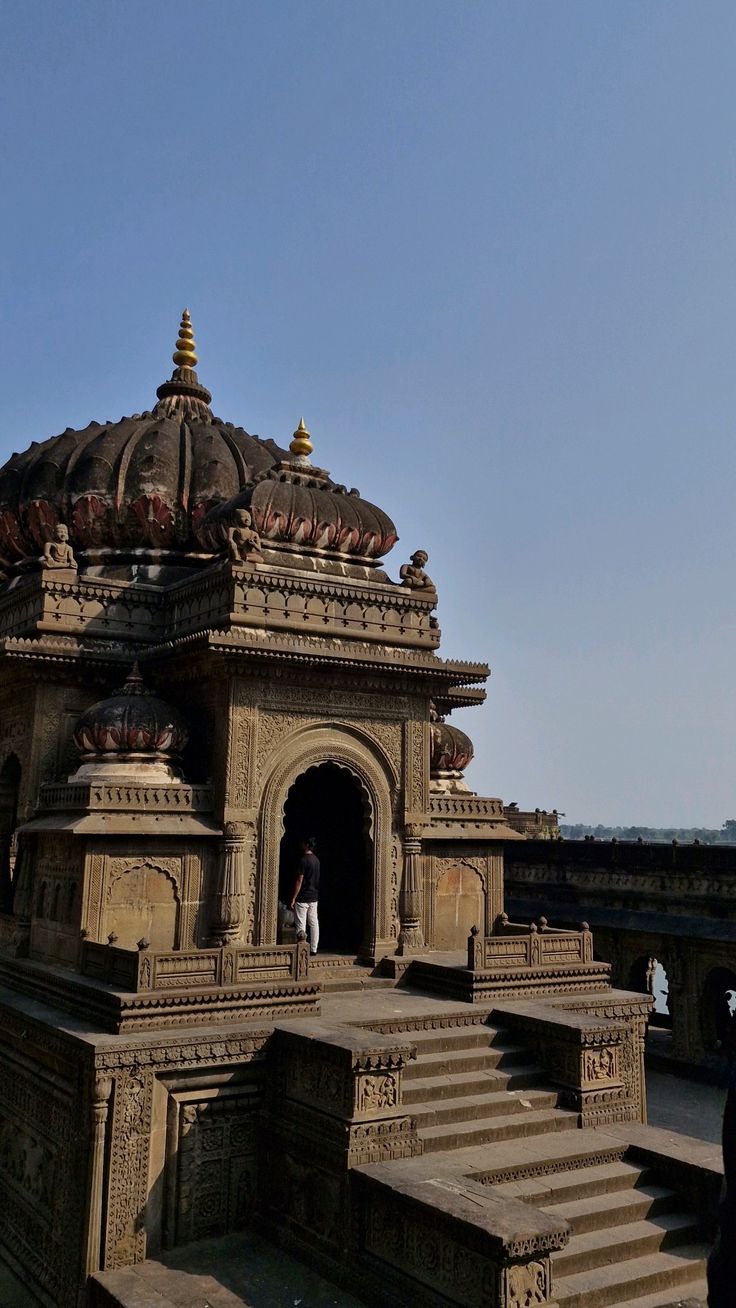
★4.8
No upcoming dates
moderate
Uttarakhand
Madmaheshwar
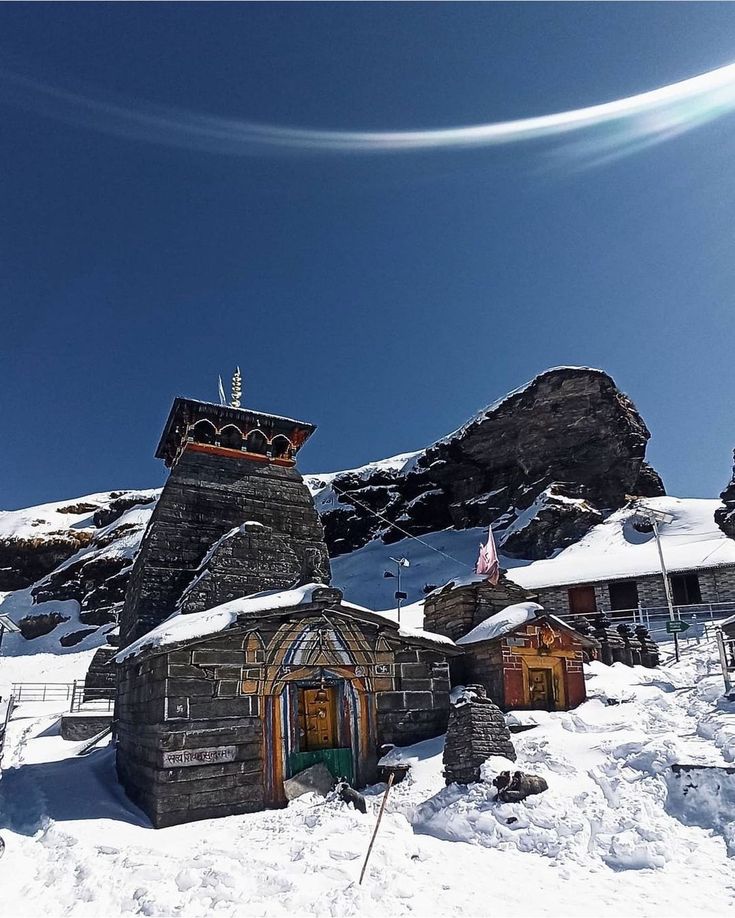
★4.9
No upcoming dates
easy
Uttarakhand
Tungnath
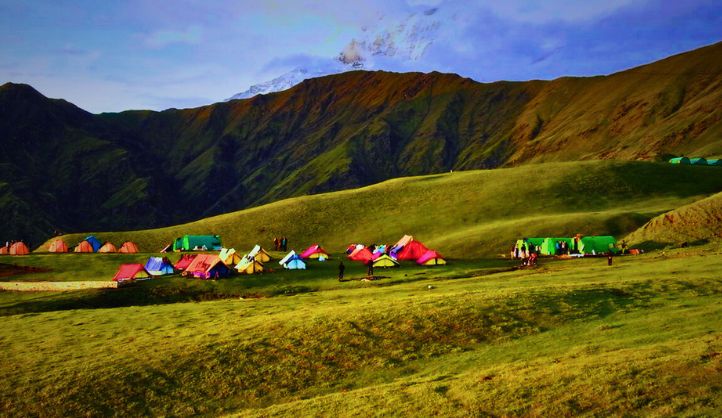
★4.7
No upcoming dates
easy
Uttarakhand
Ali Bedni Bugyal
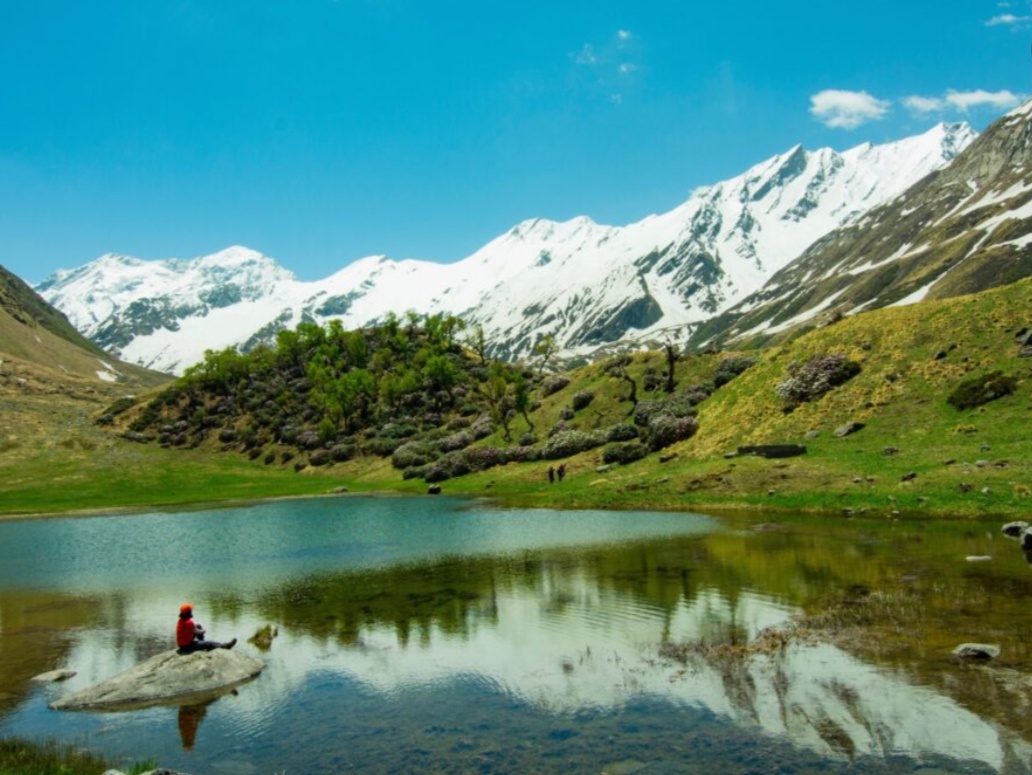
★4.7
No upcoming dates
difficult
Uttarakhand
Bali Pass
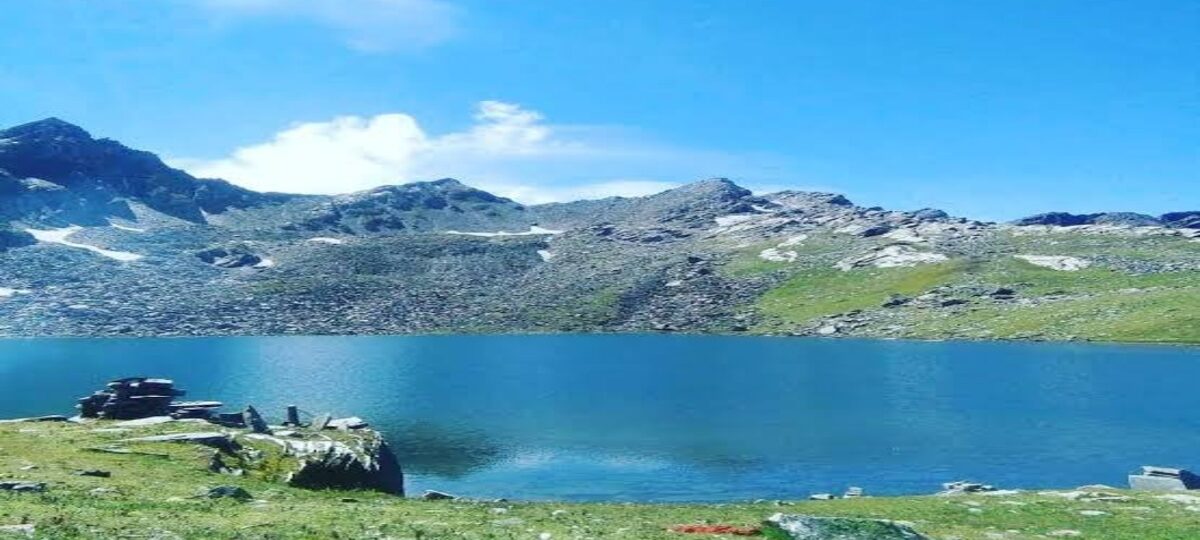
★4.9
No upcoming dates
difficult
Uttarakhand
Baraadsar Lake
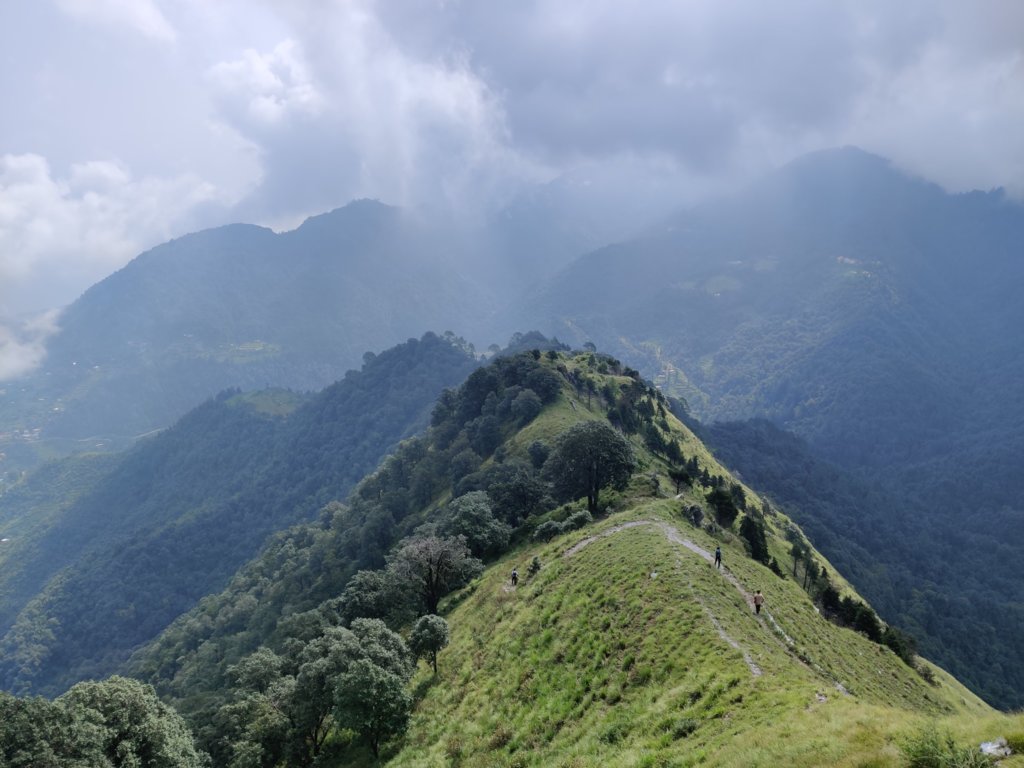
★4.8
No upcoming dates
easy
Uttarakhand
Benog Tibba
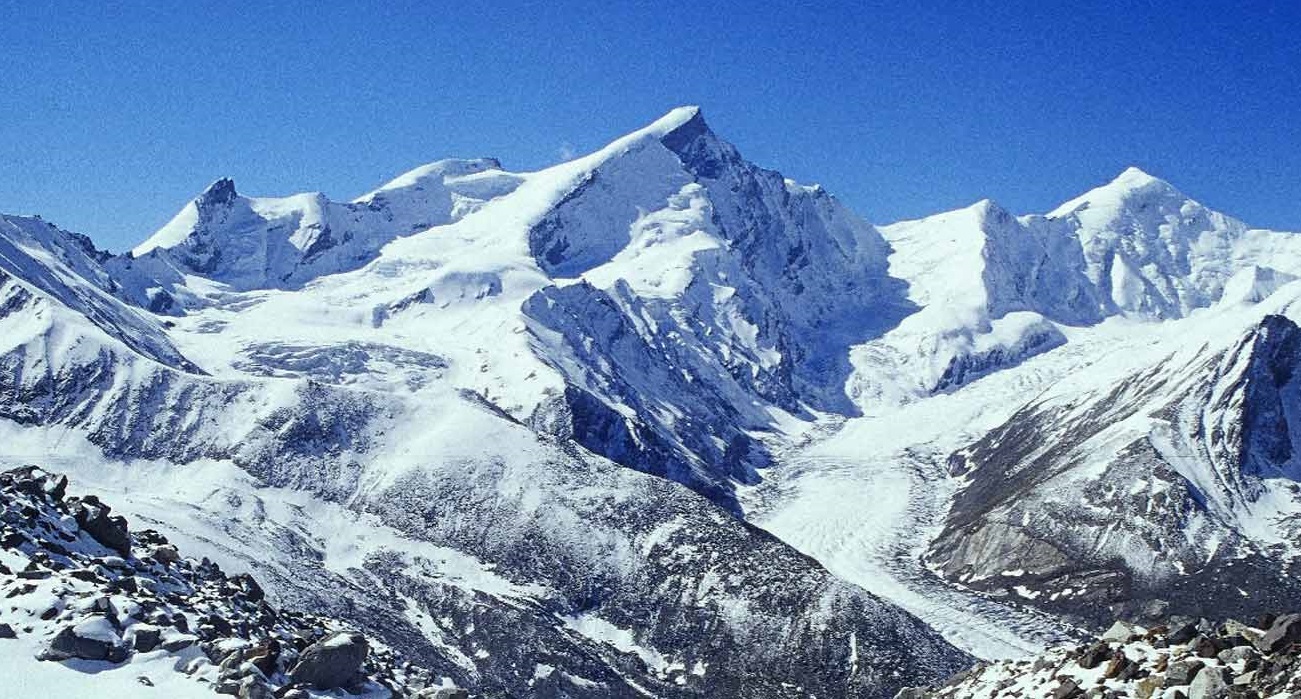
★4.9
No upcoming dates
difficult
Uttarakhand
Black Peak (Kalanag)
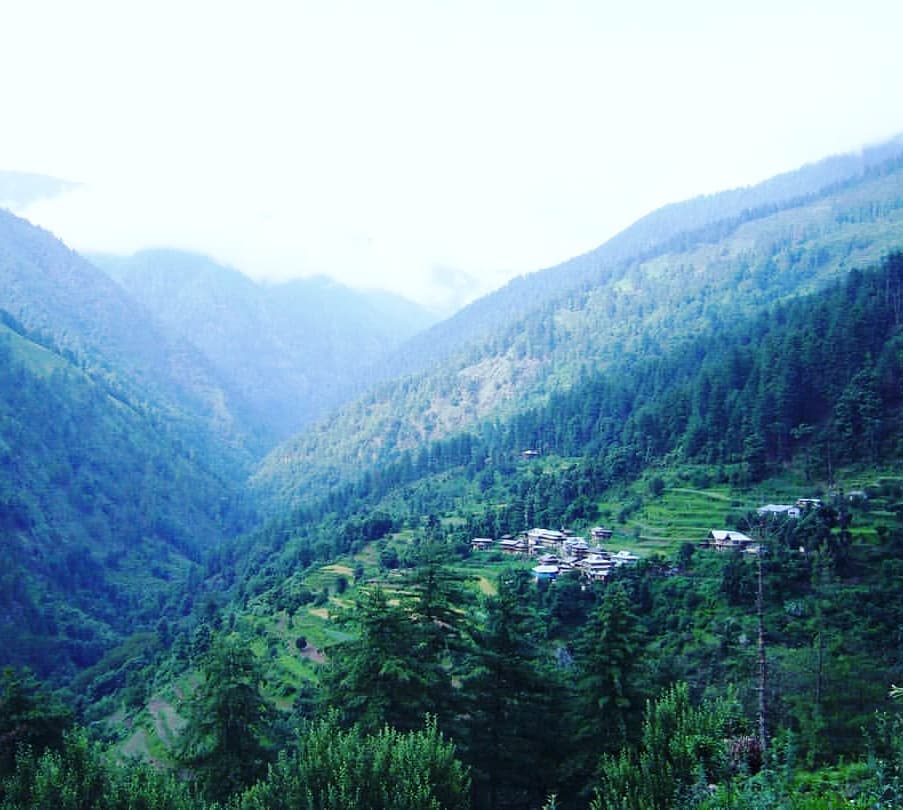
★4.7
No upcoming dates
moderate
Uttarakhand
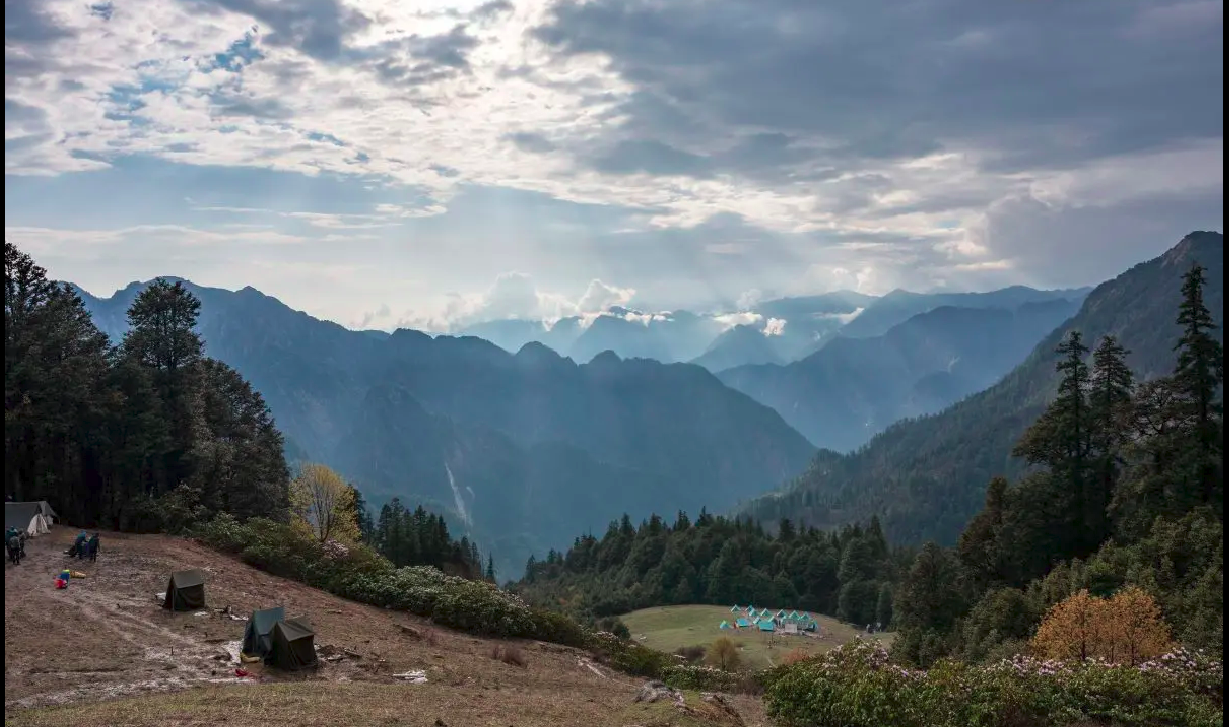
Chaainsheel Bugyal
★4.7
No upcoming dates
moderate
Uttarakhand
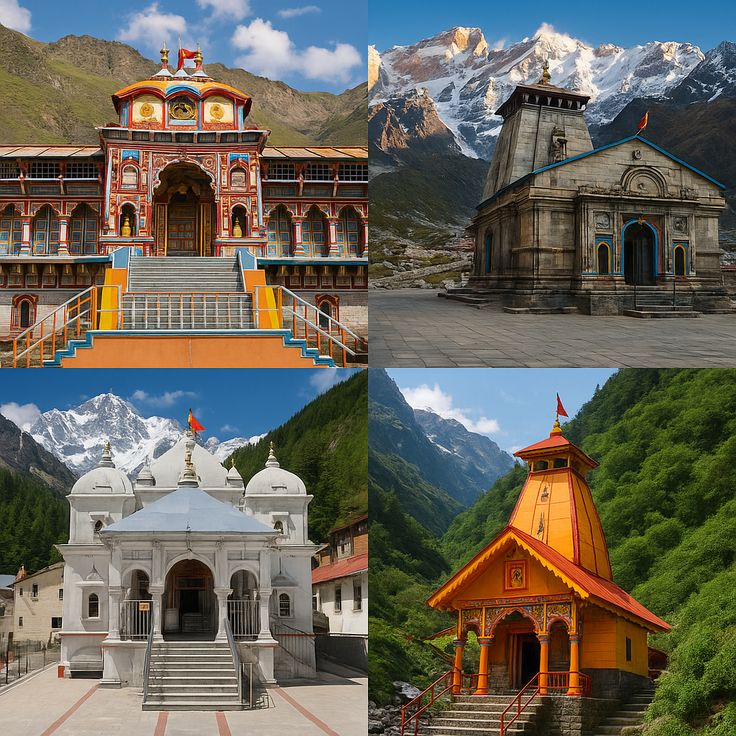
Chardham Yatra
★4.9
No upcoming dates
easy
Uttarakhand
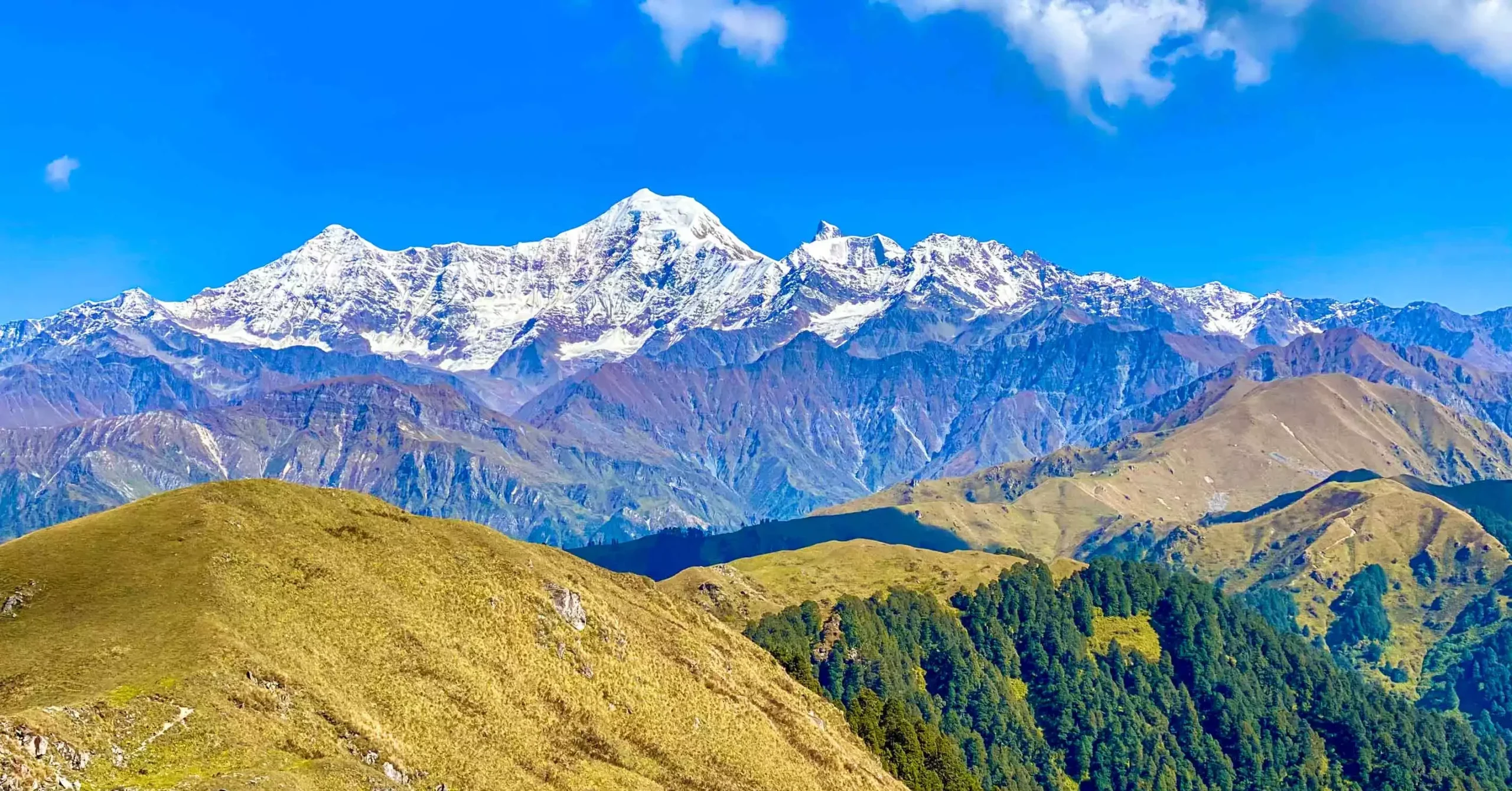
Chirbatiya Weekend Trek
★4.9
No upcoming dates
easy
Uttarakhand
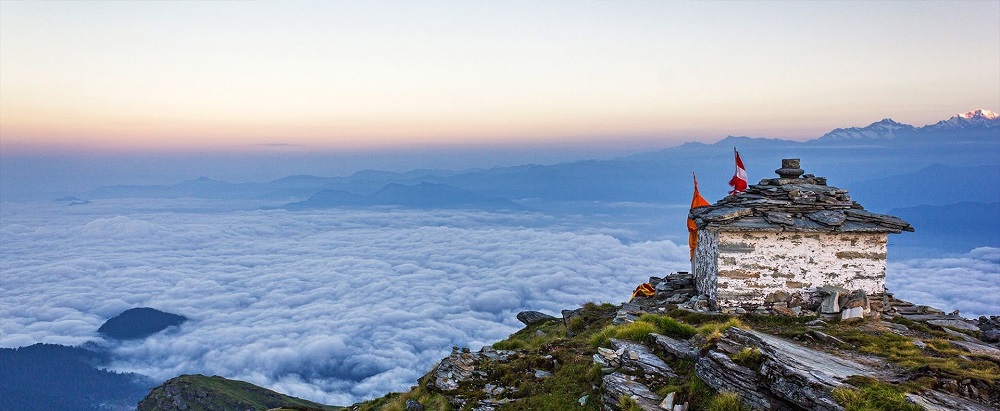
Chopta Chandrashila
★4.8
No upcoming dates
easy
Uttarakhand
Dayara Bugyal
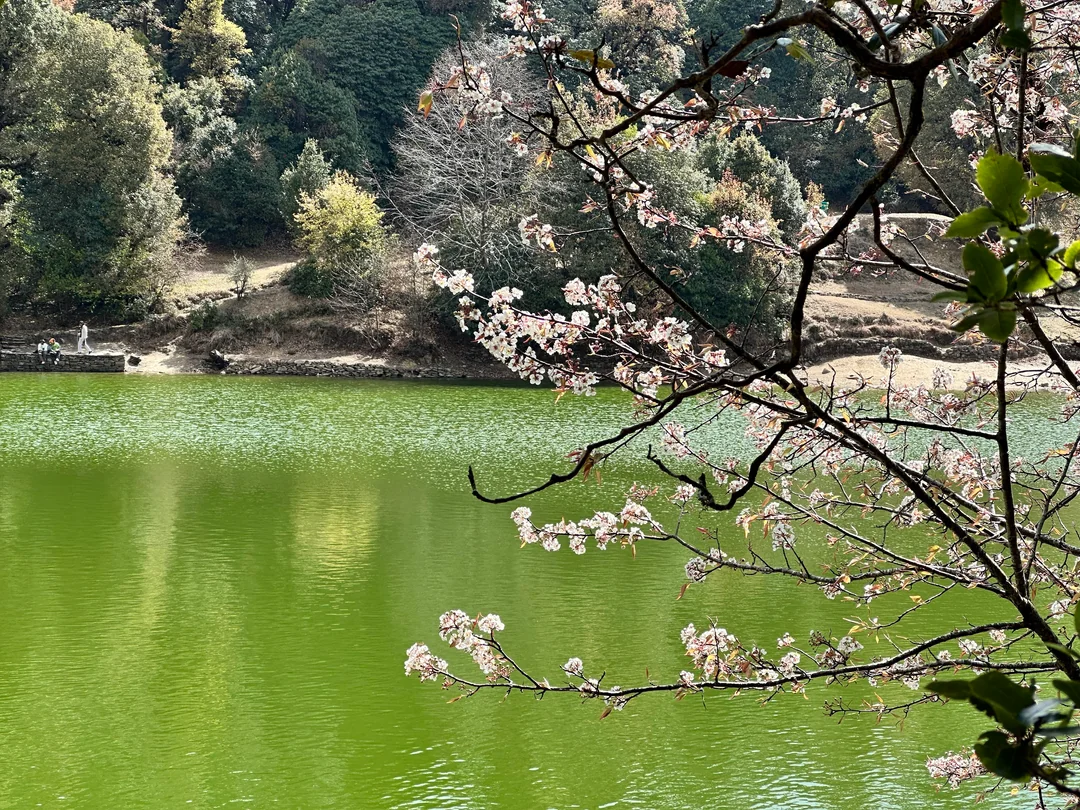
★4.7
No upcoming dates
moderate
Uttarakhand
Deoriatal Chandrashila
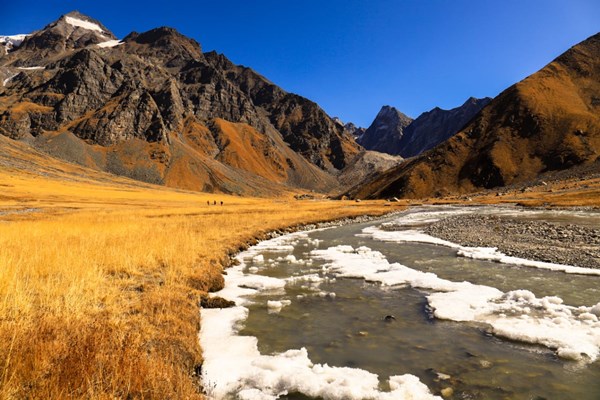
★4.8
No upcoming dates
moderate
Uttarakhand
Dev Kyara Bugyal
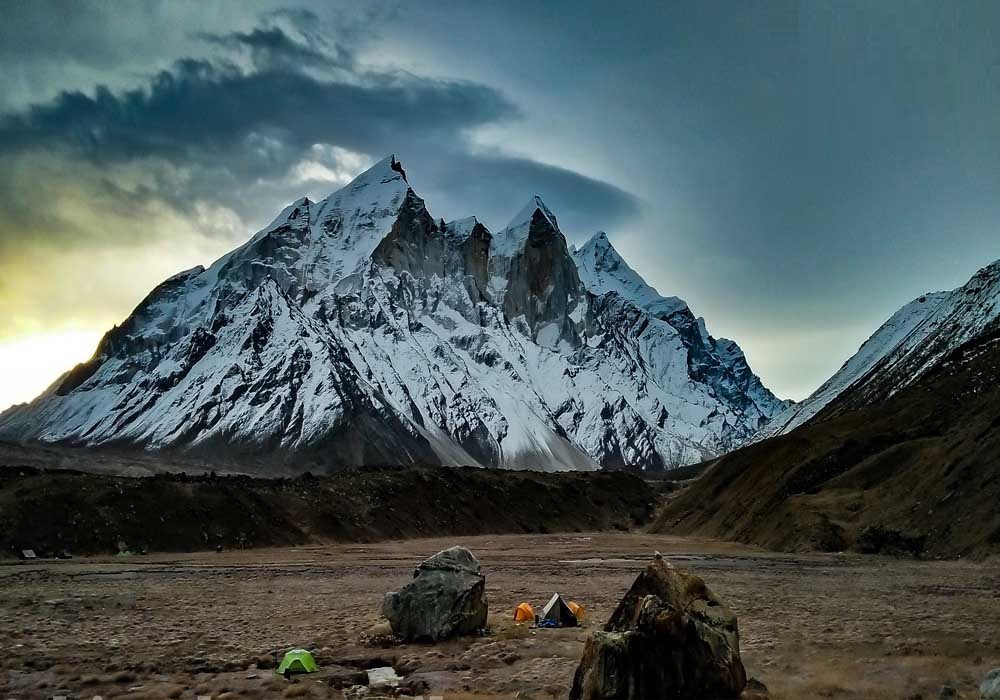
★4.9
No upcoming dates
difficult
Uttarakhand
Gaumukh Tapovan
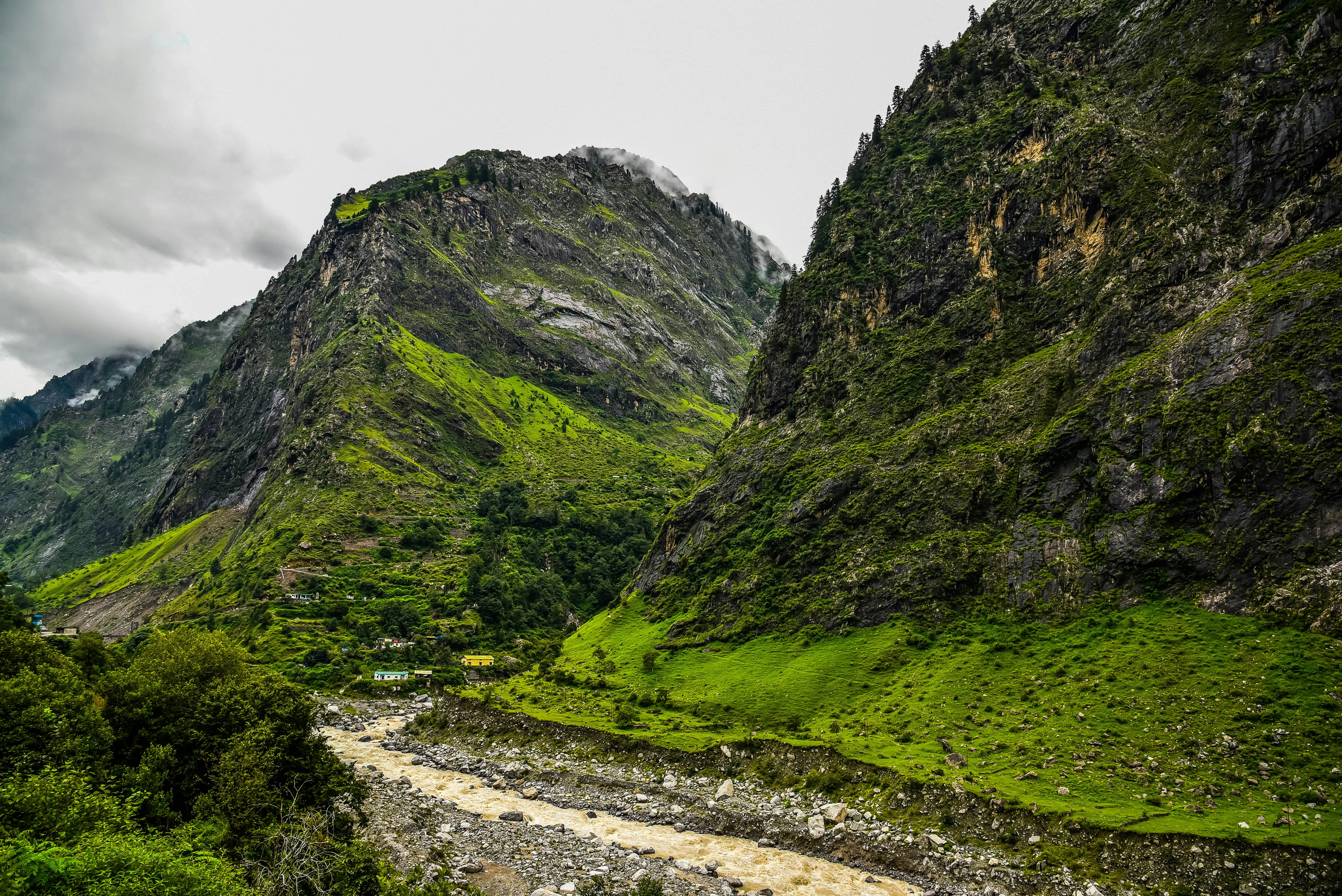
★4.8
No upcoming dates
easy
Uttarakhand
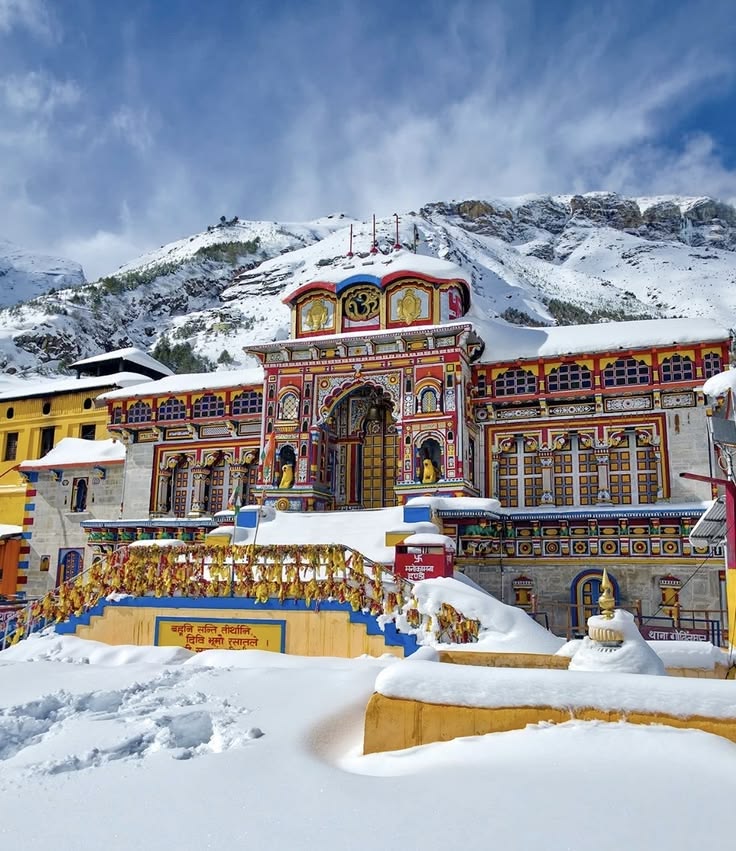
Har Ki Dun
★4.9
No upcoming dates
easy
Uttarakhand
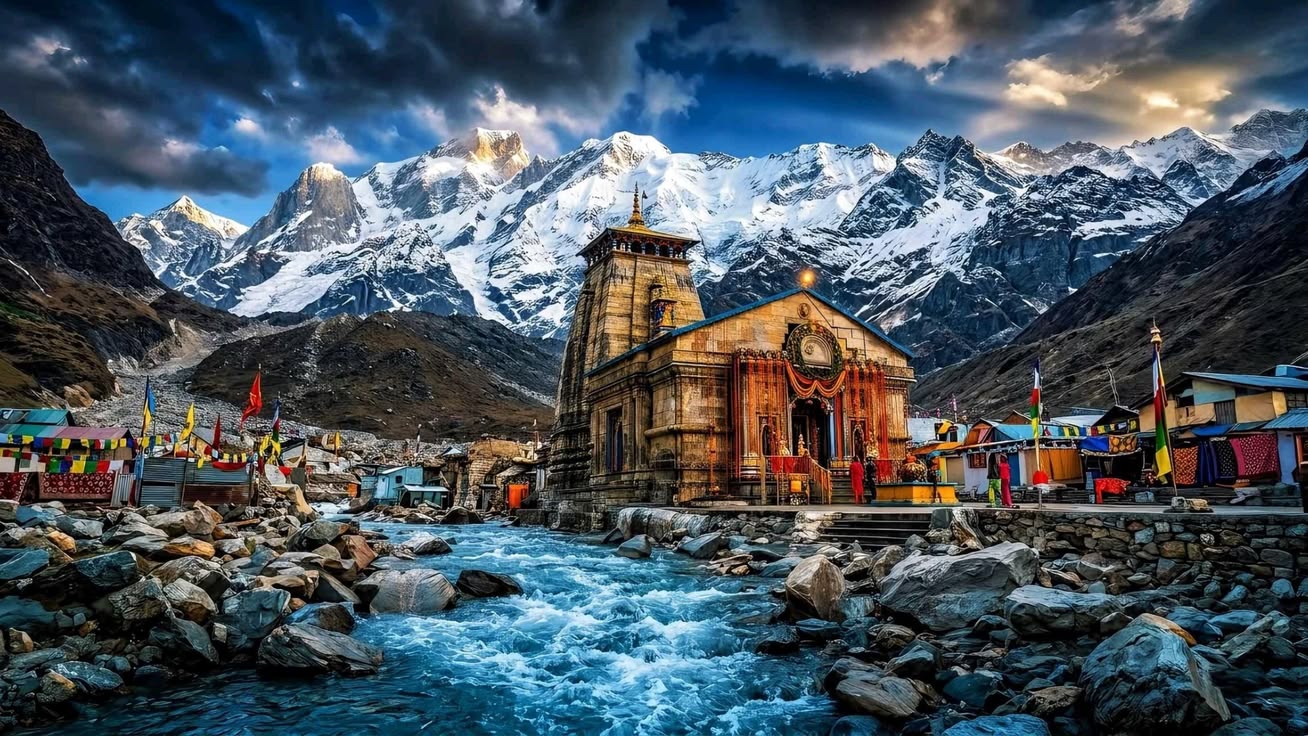
Kedarnath & Badrinath Yatra
★4.8
No upcoming dates
easy
Uttarakhand
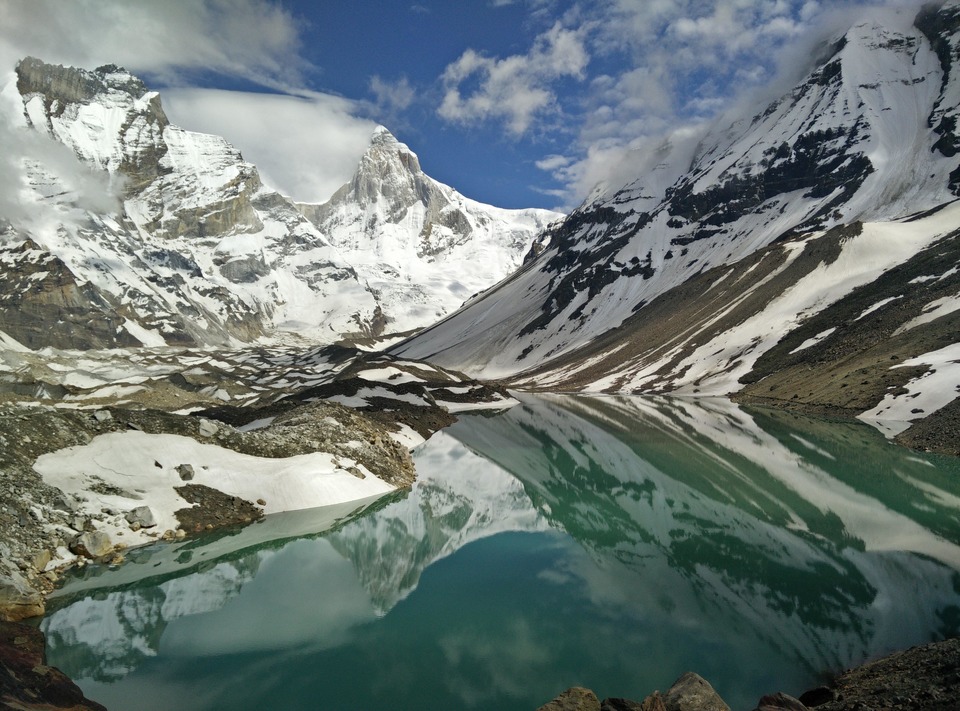
Kedarnath Yatra
★4.7
No upcoming dates
difficult
Uttarakhand
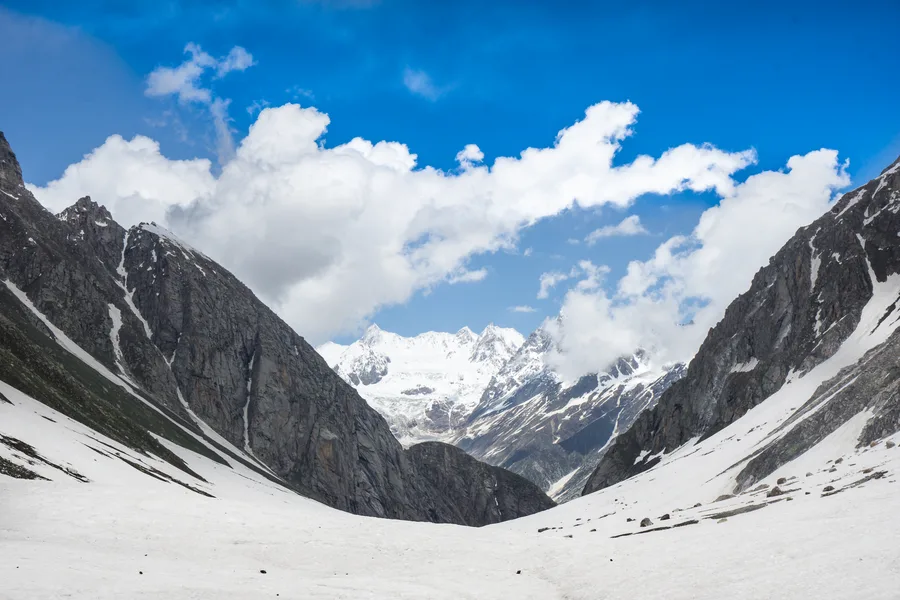
Kedartal
★4.7
No upcoming dates
difficult
Uttarakhand
Lamkhaga Pass
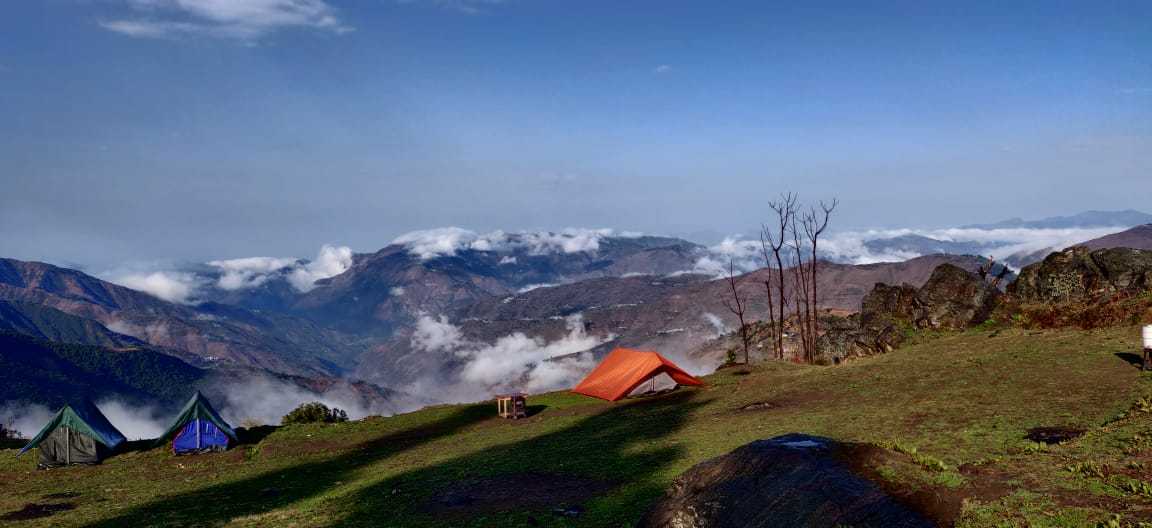
★4.9
No upcoming dates
easy
Uttarakhand
Nag Tibba
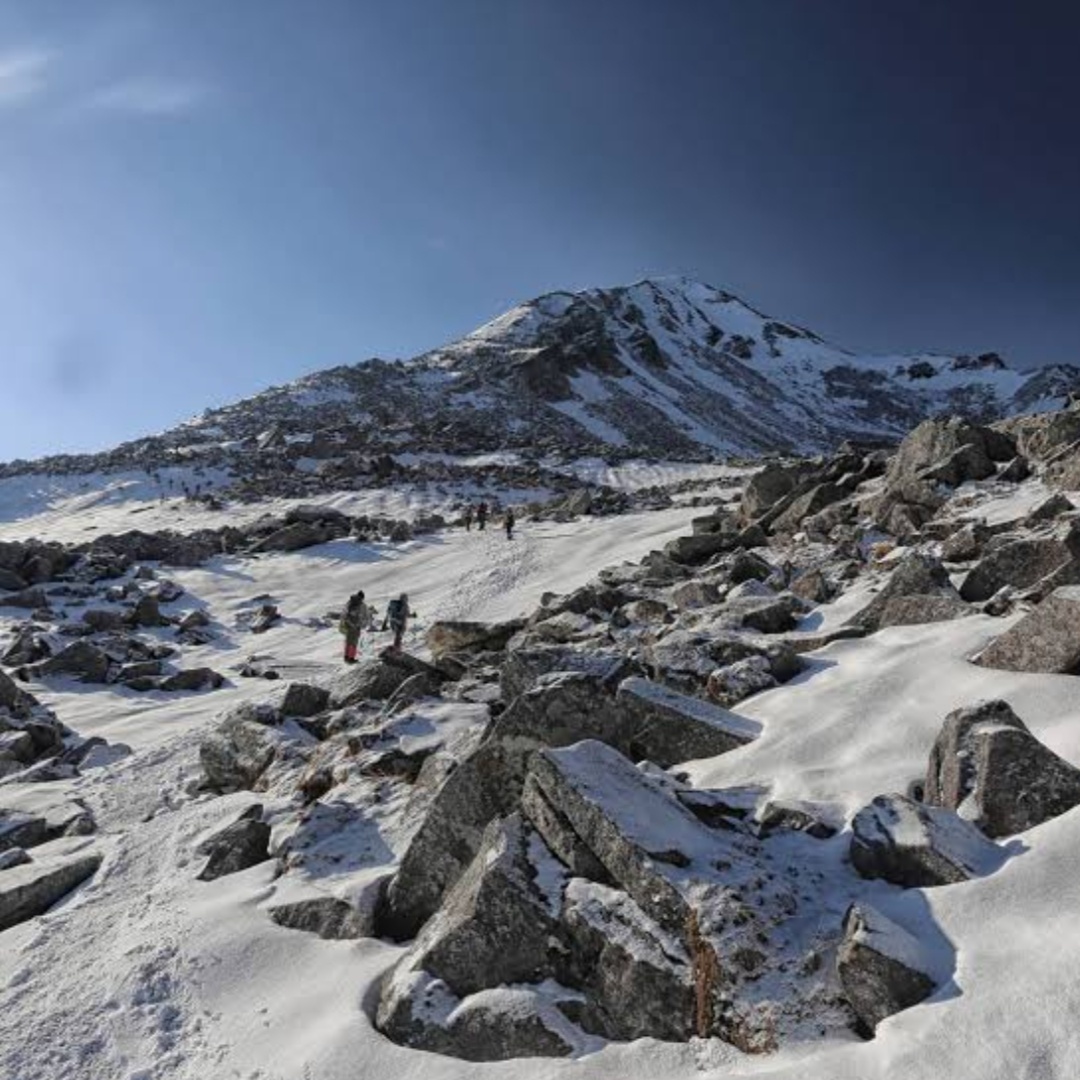
★4.8
No upcoming dates
difficult
Uttarakhand
Pangarchulla Peak
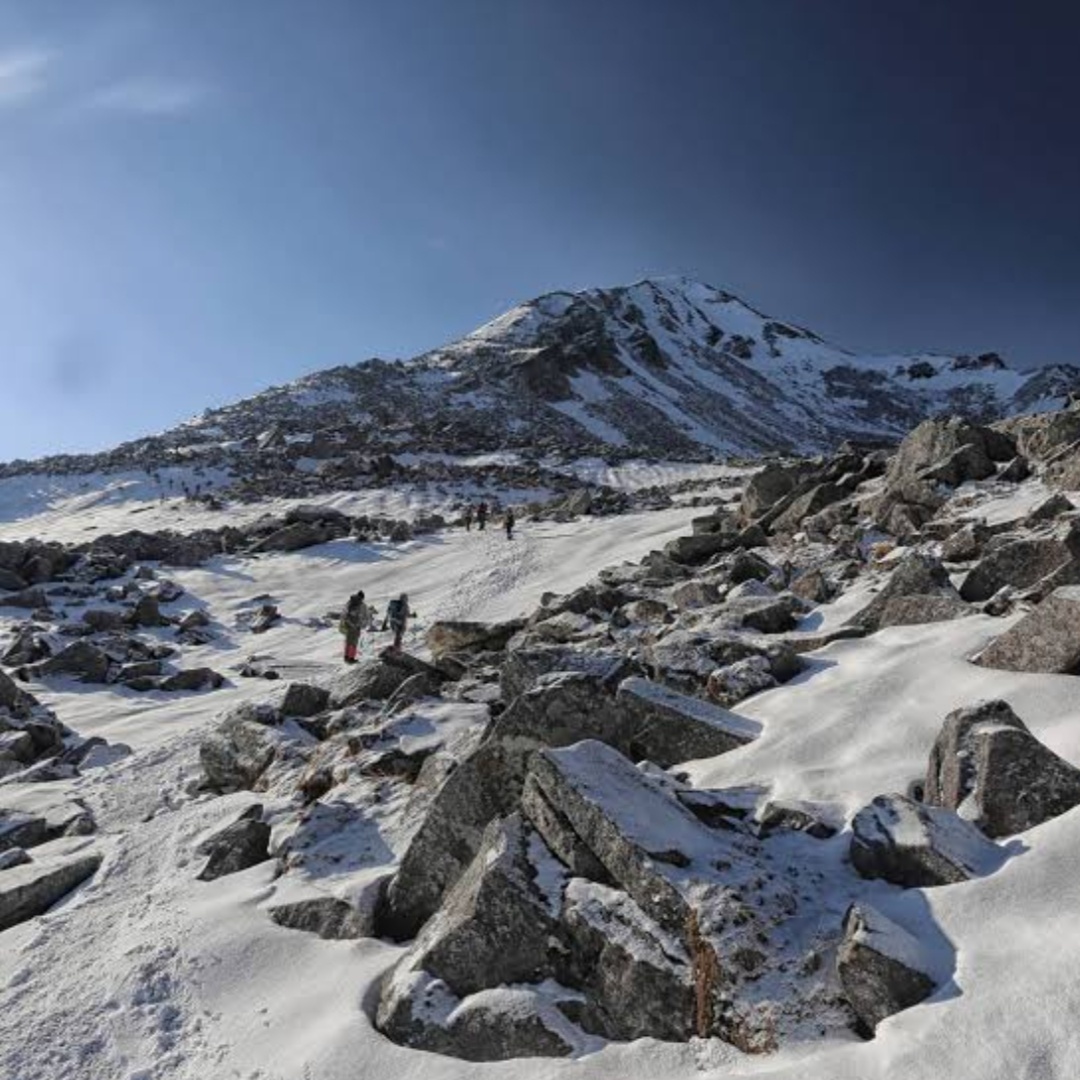
★4.8
No upcoming dates
easy
Uttarakhand
Phulara Ridge
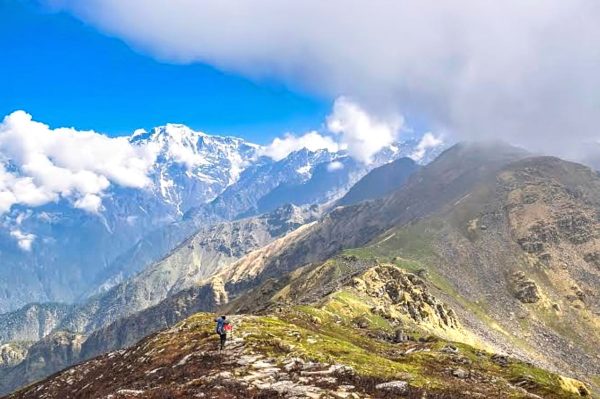
★4.8
No upcoming dates
moderate
Uttarakhand
Ranthan Kharak
★4.7
No upcoming dates
difficult
Uttarakhand
Roopkund
★4.9
No upcoming dates
difficult
Uttarakhand
Satopanth
★4.9
No upcoming dates
moderate
Uttarakhand
Surya Top
15% OFF
★4.7
No upcoming dates
easy
Uttarakhand
Valley of Flowers
★4.7
No upcoming dates
moderate
Uttarakhand
Vijay Top
The HeyHikers difference
Why book Uttarakhand with HeyHikers
Local guides from Uttarakhand
Trail-tested guides who grew up walking these ridges. Real stories, real safety.
Forest department permits handled
All entry permits, camp passes and paperwork done before you arrive at basecamp.
Small batches, big care
Group sizes capped so every trekker gets attention, pace support and good food.
Good to know
Uttarakhand trek FAQs
Best time to trek in Uttarakhand?
Most trails in Uttarakhand are best between March and June, then again from September to November. Winter routes open selectively — see each trek page for exact windows.
Do I need permits?
Yes, most treks in Uttarakhand require forest department or local authority permits. We handle all permits for you as part of the trek fee.
What is the difficulty range?
Our treks span easy weekend walks to challenging high-altitude expeditions. Each trek lists its grade so you can match it to your experience.
How fit do I need to be?
For moderate treks, you should comfortably jog 4 km in under 30 minutes. We send a fitness prep guide once you book.